Valves, Vents and Verdicts: Living Happily With the Radiators You Already Have
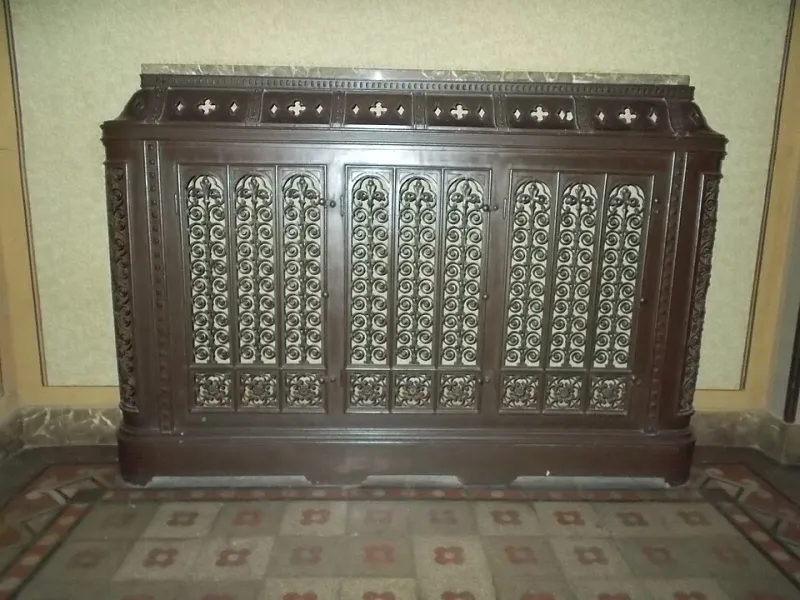
Photo: Globetrotter19, CC BY-SA 3.0, via Wikimedia Commons
Radiators occupy a strange place in British home life. They keep us warm, they take up wall space, and most of us treat them like an awkward relative who has come to stay: tolerated, occasionally dusted, rarely invited into the conversation. But in a period terrace, a 1930s semi or even a newer build, the heating hardware is part of the room. The trick is not to replace it or rip out the system. It is to make what is already there feel considered.
This is charm through acceptance. A few small adjustments, a bit of paint and some honest thinking about furniture can turn a radiator from an eyesore into a detail that simply belongs.
Start with an honest audit
Before you buy a cover or a tin of paint, walk around each room and look at the radiators properly. Note the type of radiator, where it sits, how the pipes meet the floor, what the valves look like and whether anything is blocking the heat. Take a few photos on your phone. It is amazing how much clearer a radiator looks in a photograph than it does in the corner of your eye.
Ask yourself what actually bothers you. Is it the colour? The pipework? The fact that the sofa backs onto it? Or is it simply that you have never really looked at it? Most radiators do not need replacing. They need a decision.
Paint is the cheapest reset
A standard panel radiator can usually be painted, and this is one of the most affordable ways to make it recede or stand out on purpose. Turn the heating off and let the radiator cool completely. Clean it with a degreaser, give it a light key with fine abrasive paper, and use a paint suitable for metal and radiators. Mask around valves and thermostatic heads, and do not paint over vents, manufacturer labels or the moving parts of a valve.
Colour is where the design thinking comes in. Painting the radiator the same colour as the wall helps it disappear, which is often the right move in a small room or a tight hallway. Painting it a contrasting colour turns it into a feature, which can work well in a child's room, a studio or a space with plenty of visual breathing room. In a period room, an off-white or soft neutral often looks more settled than bright white. Avoid metallic finishes unless you are certain about the look, as they tend to draw the eye more than expected.
If the radiator has been painted several times before, test a small patch first. Old paint can flake, and a lumpy surface will never look deliberate. Sometimes a good clean and a single fresh coat is enough.
Covers only when they earn their keep
Radiator covers are tempting because they promise to make the problem vanish. Sometimes they genuinely help, particularly with an awkwardly placed older radiator or a room where you want a shelf-like surface. But a cover is not a magic trick. It can block convection, trap heat and make a room feel stuffier. It can also hide a thermostatic valve that needs to sense room temperature.
If you go down the cover route, choose one with generous ventilation at the top and front, leave clearance around the sides and make sure you can still reach the valve and bleed point. A simple radiator shelf on brackets is often a lighter-touch alternative, giving you a place for a small lamp or a few books without boxing in the whole unit. In a small room, measure carefully: a cover can eat floor space and make the room feel tighter rather than tidier.
Tidy the pipework without burying it
Pipework is often the detail that lets a room down. Pipes that meet the floor at an angle, mismatched collars or a wandering run of copper can make an otherwise calm corner feel unfinished. Start with the simple things. Add pipe collars where pipes meet the floor or wall, use clips to straighten runs, and paint pipes to match the wall or skirting if they are visually noisy.
Boxing in pipework can look neat, but only if it is removable and does not block access to valves or joints. Do not bury compression fittings or joints where you cannot get to them. If the pipes are surface-run and likely to stay that way, make them consistent: all white, all black or all matched to the wall. Consistency reads as intention, even when the pipework is not hidden.
Use position and furniture on purpose
A radiator works best when air can move around it. A sofa pushed hard against a radiator may look tidy, but it blocks heat and makes the radiator feel like an obstacle. Try to leave a gap, or rearrange the room so the radiator sits in a natural circulation zone rather than behind a large piece of furniture. Curtains should not drape over radiators either; shorten them, tie them back or adjust the rail so the heat can rise into the room.
A radiator shelf can be a genuinely useful move. It gives the radiator a defined top edge and can help send warmth out into the room rather than straight up the wall. Keep it slim and simple. In a hallway, a narrow console beside the radiator can make the whole arrangement feel like a considered vignette rather than a heating appliance in a corridor.
Small hardware, big difference
Mismatched valves can undo a lot of good work. Matching thermostatic heads across a room is a small change that makes the heating hardware look more deliberate. If a valve is stiff, leaking or clearly past its best, ask a heating engineer rather than forcing it. Bleeding radiators once a year is basic care, not a design statement, but a radiator that heats evenly and quietly is easier to live with.
The real shift is mental. Once you stop seeing the radiator as something to hide, you can start making decisions about it: paint it, shelf it, tidy its pipes, move the sofa, match the valves. You do not need a full heating overhaul. You need a bit of acceptance and a free afternoon. The radiator is part of the room. Treat it that way, and the room will feel more settled for it.