Warm and Characterful: Period Style That Works With Your EPC
Photo: Michael Garlick , CC BY-SA 2.0, via Wikimedia Commons
Period homes are very good at being beautiful and very bad at holding on to heat. In 2026, with energy performance firmly part of the housing conversation, plenty of owners worry that every bit of character they add will cost them warmth. It need not. The trick is to choose details that work with the building rather than against it. You can have a sash window, a radiator cover and a warm living room. You just need to be a bit more deliberate.
Start with the draughts, not the decor
Before buying a single roll of heritage paint, walk around the house on a windy day and find the obvious draughts. Draught-proofing is cheap, quiet and often invisible. Sash windows can be fitted with brush seals. External doors need good seals, a letterbox flap and a working keyhole cover. Loft hatches, pipe gaps and floorboards can all leak warmth without ever announcing themselves.
Do not seal up ventilation that the house needs. Trickle vents, air bricks and vents for working fires or boilers are there for a reason. The aim is to stop uncontrolled draughts, not to wrap the house in plastic. A sash window that rattles is not charming at seven in the morning in November.
Halls and stairs: stop the chimney effect
The hall is often the coldest part of a period home because it is doing too many jobs at once: entrance, corridor, store and wind tunnel. Draught-proof the front door. Add a heavy curtain to a glazed door if you have one. A stair runner will soften sound and make the stairs feel warmer underfoot, even if it is not strictly insulation.
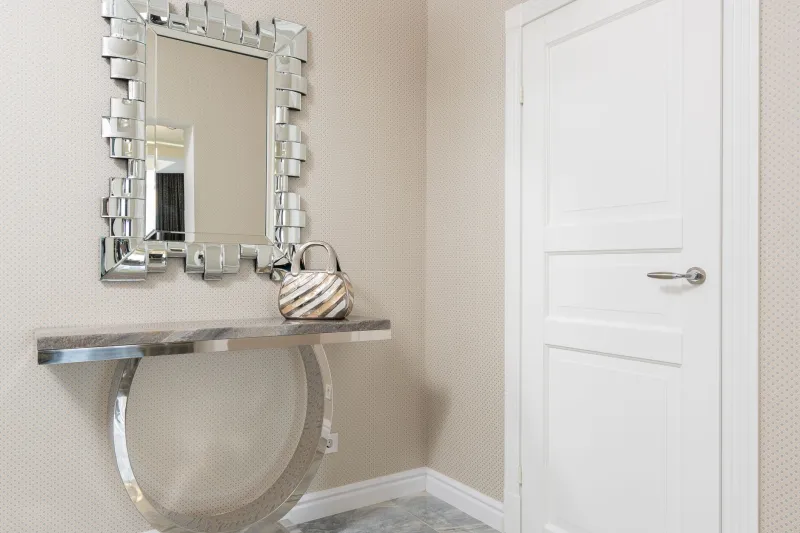
Keep radiators clear. A console table placed directly over a radiator is a heat trap. If you need storage in the hall, choose something shallow and open underneath. Paint the hall in a warm colour and add low-level lighting so it feels inviting rather than merely functional.
Living rooms: let heat move
Curtains are one of the most characterful and practical tools in a period home. Floor-length curtains with thermal lining or an interlined lining can make a room feel warmer and more finished. Fit the track close to the ceiling and close to the wall to reduce gaps. Close them at dusk.
Where radiators sit under windows, avoid full-length curtains that wrap around the radiator and trap heat. A blind, a curtain that stops at the sill, or a floor-length curtain kept stacked well back from the radiator will work better. Radiator covers can look lovely, but choose one with a slatted top and open front or sides. A solid box may hide the radiator, but it also hides the heat.
If you have an unused fireplace, a chimney balloon can stop a surprising draught. Never block ventilation required by a working fire, stove or boiler. Breathable paints are usually a safer bet on old walls than heavy vinyl finishes, especially in rooms that have had damp before.
Kitchens and bathrooms: style that can breathe
Period-style brass taps, simple tiles and painted cupboards can add plenty of character without touching the building's performance. The important work happens behind the scenes: extraction, ventilation and not sealing moisture into a cold corner. Use moisture-resistant breathable paint where appropriate and keep radiator covers open so heat can circulate.
If you are adding shelves, hooks or a plate rack, leave space around radiators and vents. Character in a kitchen is often about texture and patina, not adding another solid surface that traps warm air.
Bedrooms: layer up
Bedrooms are where character and warmth can be easiest to combine. Thermal curtain linings, a wool rug, a upholstered headboard and a draught excluder at the door all add softness and help the room feel cosier. Keep air bricks and trickle vents clear. If you have a radiator under a window, do not bury it behind a heavy curtain.
Windows and doors: repair before replace
Original windows are part of the charm of many UK homes, and they can often be repaired and draught-proofed rather than replaced. Secondary glazing can be discreet and effective. Internal shutters add character and another layer against the cold. If your home is listed or in a conservation area, check what is allowed before making changes.
Internal doors matter too. A well-fitted door with a draught seal can keep warm air in the rooms you actually use. A beautiful door that rattles in its frame is a charming detail with a cold downside.
Materials that work with the house
Wool, cotton, linen, breathable paints and natural floor coverings all suit period homes because they work with the way old walls and floors behave. They also add the textures that make a house feel characterful rather than showroom-perfect. The goal is not to make an old house behave like a new build. It is to help it be warmer, calmer and more comfortable without sanding away what makes it interesting.
A room-by-room quick check
- Hall: draught-proof the door, keep the radiator clear, add a runner and a warm curtain.
- Living room: use thermal-lined curtains, leave radiator covers open, deal with chimney draughts safely.
- Kitchen and bathroom: prioritise extraction and ventilation, then add character with paint, tiles and open shelving.
- Bedroom: layer curtains, rugs and soft furnishings, but never block vents or air bricks.
Charm and energy performance are not opposites. They are simply two different ways of paying attention to the same house.