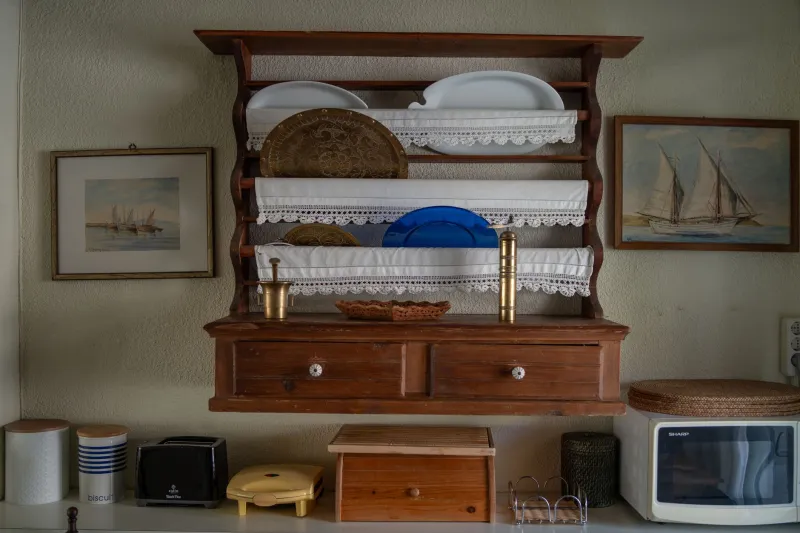
Cold Shelf, Clear Intent: Reviving the Larder Your House Already Has
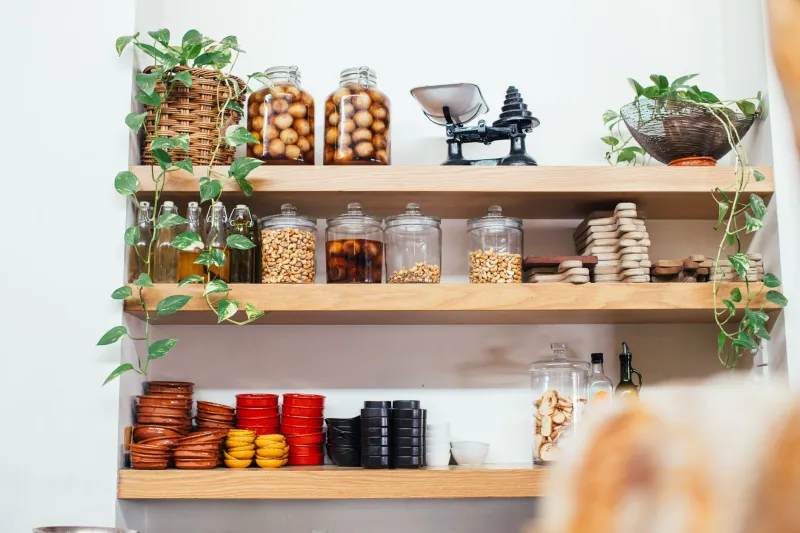
In plenty of UK homes, the larder is still there. It is just hidden behind a later door, a coat hook, or a pile of bags that never quite made it to the recycling. Sometimes it is a shallow cupboard beside the chimney breast; sometimes it is a proper little room with a cold slab, thick walls and a vent to the outside. Either way, it is one of the most quietly useful pieces of character a house can have — and one of the easiest to ruin by treating it as overflow storage.
Before you buy a single basket, take an hour to read the space. The larder has already done most of the design work. Your job is to notice it, clean it up, and let it behave like the working room it was built to be.
Stop calling it a cupboard
A cupboard is somewhere you put things you do not want to think about. A larder is somewhere you put things you want to use. That shift in language matters, because it changes what you notice.
Open the door and look properly. Are there original shelf brackets, thick timber shelves, a slate or marble cold shelf, quarry tiles, a meat hook, a ventilation grille, or a small high-level window? Are there layers of old paint on the walls, or a patch where shelves once sat? Is the door original, with a latch and a strip of draft excluder added later? These details tell you how the room was meant to work.
In a Victorian or Edwardian terrace, the larder often sat on the coolest external wall. Thick brickwork did the refrigeration. An air brick or vent kept the air moving. The cold shelf was for butter, cheese and anything that needed a little extra coolness before fridges were ordinary. In a modern, heated house, that logic is not always reliable for high-risk food, but it is still brilliant for dry goods, root vegetables, jars, tableware and the general rhythm of a kitchen.
Read the ventilation before you style it
The most common mistake is to fill a larder with airtight plastic boxes and then wonder why it smells musty. These rooms are meant to breathe. If there is an air brick, a vent or a gap under the door, do not block it with a tower of tins.
Clean the vent. Vacuum out cobwebs. Check that outside air can actually reach it. A cheap hygrometer will tell you whether the room stays reasonably dry. If the walls feel damp or the paint is blistering, do not cover it up with a coat of vinyl silk and hope for the best. Breathable paint and a bit of air movement are usually a better first move than a sealed box of storage.
You do not need to turn the larder into a fridge. Use it for what it is good at: onions, garlic, potatoes in a dark basket, unopened jars, dry pasta, bread crocks, preserving jars, spare teapots, dog biscuits, and the good china you actually use at Christmas. If you want to keep dairy or cooked food in there, use a thermometer and be honest about the temperature. A larder is not a fridge, however romantic the cold shelf looks.
Work with the shelves you already have
Original larder shelves are often thicker and more generous than anything you would buy flat-pack. Keep them if you can. Take everything out, wash the shelves, and let them dry properly. A light sand and a coat of breathable paint or a food-safe oil will do more than a full replacement.
Check the brackets. A loose shelf can often be fixed with longer screws into a sound batten, or a simple timber cleat. Do not overload a shelf that is already sagging. If the original shelf heights are awkward, use the existing holes rather than drilling a new pattern all over a period wall. Add a small step stool if the top shelf is high — a larder is allowed to be tall.
Baskets, enamel tins, glass jars and a couple of open crates will do more for the room than matching plastic containers. Leave gaps at the back of shelves so air can move. A little disorder is fine; a solid wall of supplies is not.
The door is half the character
A larder door gets opened and closed far more than people expect, so repair the small things first. Tighten the hinges. Fill old screw holes with a matchstick and wood glue if they have gone soft. Replace a worn latch. Add a simple draft strip if the door rattles, but do not seal the room completely if it relies on under-door ventilation.
If the door is original, keep it. If it is a later flat door that feels wrong, look for a salvaged four-panel door or a simple ledged door that suits the age of the house. Paint it in the same colour as the kitchen joinery, or go a shade deeper for a bit of quiet drama. A brass or black iron latch, a small finger plate and a hook for an apron will make it feel considered without a joiner being involved.
Light it like a room, not a cave
Most larders are lit by whatever light comes in when the door is open, which is not much in November. A warm battery-powered strip light or a rechargeable puck light costs very little and changes the room completely. Look for something around 2700K — warm white, not the cold blue light of a cupboard under a stairs.
Stick it under a shelf or along the top of the door frame so it lights the shelves rather than your face. A motion sensor is useful if your hands are full. If there is already a wall light or a cable, have it checked, but do not commission a full rewire for a room this small unless it is genuinely unsafe. The aim is to see what you have, not to turn a larder into a stage set.
Paint, floor and the small rituals
Breathable paint is your friend here. A soft off-white, stone, pale green or deep larder green will all sit happily in a period house. Paint the ceiling the same colour as the walls if you want the space to feel less like a shaft. Keep the floor simple: scrub quarry tiles, repair loose ones if needed, and avoid laying vinyl over a damp floor. A small mat or a strip of runner is enough.
Then add the rituals that make a larder useful. A chalk pen for jars. A basket for onions. A little shelf for eggs. A hook for the apron. A weekly five-minute reset where you pull out anything that has been lurking since summer. The room does not need to look styled; it needs to look awake.
Know when to stop
This is not a knocking-through project. It is not a reason to rewire the kitchen or order a bespoke pantry system. If there is serious damp, a failed vent or structural movement, get proper advice. But for most UK homeowners, the larder is already doing the hard work: thick walls, a cold shelf, a bit of ventilation and a door that closes.
By mid-November, with the dark drawing in, a small lit larder feels like a quiet luxury. It is not a new kitchen. It is the one your house already had, finally given a chance to speak.