The Shed Is Not a Cupboard: Giving a Garden Outbuilding a Reason to Exist
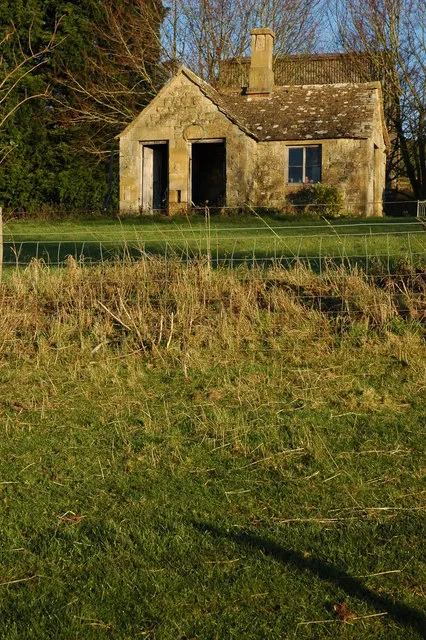
Photo: Philip Halling, CC BY-SA 2.0, via Wikimedia Commons
Every UK garden has a shed that is doing time. It sits at the bottom, felt roof furred with moss, paint peeling from the door, a window that has gone opaque with age. Inside: half a bag of compost, a broken chair, a strimmer, three pots of dried paint, a bicycle that nobody rides and a wasp nest that everyone pretends not to know about. It is a room in the loosest possible sense. It has walls, a roof and a floor. It deserves better.
The shed is usually treated as a cupboard that happens to be outside. But a cupboard is not a room. A room has a purpose, a bit of light, somewhere to sit and a reason to open the door. You do not need to convert the shed into a garden office with underfloor heating and a glass wall. You need to give it enough intention that it stops being a dumping ground. That is a low-cost, no-renovation job, and it makes the whole garden feel more settled.
The shed has been doing storage's dirty work
The first problem is not the shed. It is the stuff. Sheds accumulate because they are out of sight. The lawnmower, the Christmas decorations, the paint, the tools, the garden furniture, the things you mean to take to the tip. Once a shed becomes a holding pen, it stops being usable. You open the door, look at the pile, and close it again.
The fix is not a bigger shed. It is a proper clear-out and an honest decision about what the shed is for. If it is for tools, it needs a tool wall and a clear floor. If it is for potting, it needs a bench and a shelf. If it is for sitting, it needs a chair and a light. It cannot be all of those things at once in a small space. Choose one main job and let the rest be secondary.
Empty it properly first
Take everything out. Not just the things you can reach. Everything. Put it on the lawn or the patio. Sweep the shed out. Look at the walls, the floor, the roof and the door. Check for damp, rot, broken felt, loose hinges and mouse droppings. This is the moment to be honest about condition. A shed with a leaking roof will not become a nice room with a coat of paint. Fix the leak first, or accept that the shed is for storage and stop trying to make it a sanctuary.
Sort the contents into three piles: keep, repair, and go. Be ruthless. The broken chair is not going to be repaired. The paint is probably no good. The bicycle that has been there for eight years is a decision you have already made. Take the go pile to the tip or the charity shop. Put the keep pile somewhere sensible while you work. This is the least glamorous part of the job and the most important.
Give the floor a clean start
A shed floor is usually concrete, timber or earth. None of them are inviting. If it is concrete, sweep it, scrub it and let it dry. If it is timber, check for rot and loose boards. If it is earth, consider a membrane and a layer of gravel or paving slabs. You do not need to pour a new slab. You need a floor that is clean and dry enough to put a rug on.
Offcuts of vinyl, a piece of lino, a simple rug or a set of duckboards can transform the feel of a shed. They also make it easier to sweep. If the floor is damp, do not put down a rug that will hold moisture. Ventilation matters more than decoration. Leave a gap for air, open the window, and do not block the vents.
Paint is the cheapest renovation
Once the shed is empty and dry, paint is the best value move. For timber sheds, use a proper shed and fence paint or a breathable wood stain. For brick or block, use a masonry paint. For the inside, a light colour will make a small space feel bigger and reflect whatever light you have. White, off-white, pale grey or a soft green are all good choices. Avoid dark colours in a small shed unless you have plenty of light.
Preparation matters. Brush off dirt, scrape loose paint, fill small holes and let the wood dry. Do not paint over rot or wet timber. Paint the door and the window frame as well as the walls. Add a hook for a coat and a peg rail for tools. If the shed has a window, clean the glass. If it has no window, consider a small mirror or a solar light. The goal is not a showroom. It is a room that looks cared for.
Light it like a room
Lighting is where a shed stops feeling like a shed. If you have power, a proper outdoor-rated light is ideal. If you do not, use battery-powered puck lights, a rechargeable lantern, or solar lights. Do not run an extension lead across wet grass. If you need power for tools, get an electrician to do it properly. For a potting shed or reading shed, a warm battery lantern on a shelf is enough. For a workshop, a bright clip-on light makes the space usable.
Light the door from the outside too. A small solar wall light or a hook for a lantern makes the shed look inviting at dusk. It also helps you find the lock when you are putting the tools away. One warm light is better than a string of cold fairy lights that make the shed look like a fairground.
A bench, a shelf and somewhere to put a cup
You do not need much furniture. A simple slatted bench, a folding chair, a stool or an old kitchen chair will do. A shelf at eye level and another at waist height give you somewhere to put things down. A peg rail is a brilliant small-space tool: hang secateurs, twine, a trowel, a hat, a bag. A small table or a shelf beside the chair gives you somewhere to put a cup.
Use what you have. An offcut of scaffold board can become a shelf. A pair of brackets from the DIY shop costs very little. A wooden crate can be a box for kindling or a step. The aim is to make the shed feel like it has furniture, not just storage. A chair is a promise that someone might sit down.
Choose a purpose, not a mood board
The shed needs a job. A potting shed is the most natural: a bench, a shelf, a bin for compost, hooks for tools, a water butt outside. A reading shed needs a comfortable chair, a light, a small shelf and a blanket. A workshop needs a sturdy bench and good light. A garden tea room needs a kettle, a shelf and two chairs. Whatever you choose, let it be specific. A shed with a purpose is a room. A shed with a Pinterest board and no chair is still a cupboard.
Be realistic about size. A six-by-four shed is not a studio. It is a place for one person to stand and do one thing. That is enough. The charm comes from the constraint, not from pretending the shed is something it is not.
Make the garden feel settled
A shed that is cared for changes the way the whole garden reads. It gives the end of the garden a destination. It makes the path worth walking. It tells you that someone lives here and uses the outdoor space, not just looks at it from the kitchen window. You do not need a new shed, a designer garden or a builder. You need a clear-out, a tin of paint, a shelf, a chair and a light.
Start with the door open. Take one thing out. Sweep the floor. Paint the wall you can see. Put a hook up. Sit down for five minutes. The shed will tell you what it wants to be. Then let it be that, properly.