The First Ten Feet: Giving a Neglected Porch a Sense of Purpose

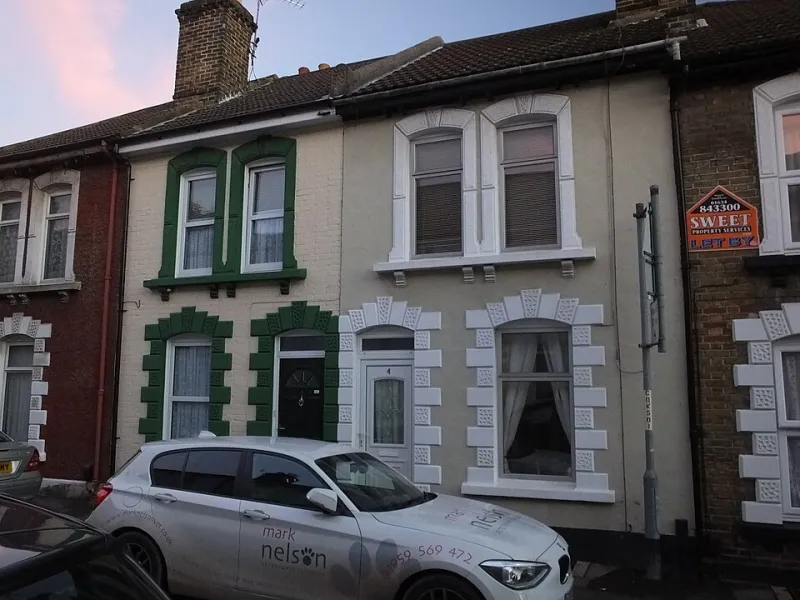
Photo: Tilman2007, CC BY-SA 4.0, via Wikimedia Commons
Most UK porches begin with good intentions. Then the recycling boxes move in, the wellies multiply, and the dog lead takes up permanent residence on the door handle. Before long, the space between pavement and hallway has become a shed with a letterbox. It is easy to see why. A porch is small, often cold, and usually the last room anyone thinks to improve. But those first ten feet are doing more work than they get credit for. They are the handshake between outside and in.
You do not need a builder to change that. You need a clear idea of what the porch is for, a few materials that can take a British winter, and the discipline to stop using it as a cupboard.
Decide what the porch is actually for
Before you buy a bench or a new light, stand in the porch and name its jobs. Shelter. Storage. A place to pause. Somewhere for the post. A dry spot for the dog towel. A porch cannot do everything well, especially if it is the size of a wardrobe. Pick two practical jobs and one pleasant one. Everything else has to live somewhere else.
If bins are the first thing you see, that is the place to start. A porch should not be a permanent bin store. If the side return or front garden can take a small lidded store, move them out. If it cannot, screen them with slatted wood, a willow hurdle or a simple cupboard that lets the porch breathe. Keep lids shut and wheels out of sight. A porch that smells faintly of recycling will never feel like a room, however nice the lantern.
Light the threshold properly
Most porch lights are either too harsh or too dead. A cold, bright bulb makes a small entrance feel like a security checkpoint. Swap it for a warm white bulb, somewhere around 2700K to 3000K, and put it on a sensor or a timer so it is doing its job before you fumble for keys. A wall lantern that throws light downwards is kinder than a floodlight. If there is a step, light the step. If there is a bench, light the bench.
Inside a glazed porch, a small lamp on a timer can be transformative in November. It makes the glass read as a warm room rather than a black hole, and it gives anyone approaching the door a sense of welcome. Just keep the light low. You are aiming for a glow, not a operating theatre.
Give boots and bags a landing place
A slim bench is the single most useful piece of furniture in a porch, but only if it leaves room to walk. Look for something around 30-35cm deep, or use a sturdy stool or a wall-mounted fold-down seat if the floor plan is tight. Underneath it, a boot tray with a raised lip will catch the worst of the weather. Outside the door, a coir mat does the rough work. Inside, a washable runner or a microfibre mat stops the mud travelling.
Hooks matter more than you think. Put them at adult height and at child height, but do not cover every wall. One row for coats, one lower hook for the dog lead, a small bowl for keys and post. A lidded box for gloves, reusable bags and the odd torch keeps clutter out of sight without turning the porch into an filing cabinet. The floor should stay clear. That is the rule.
Stop the draught without sealing the character
A porch is often the draughtiest room in the house, and that is before you notice the gap under the internal door. Start with the obvious: a brush seal on the bottom of the door, a draught excluder, a letterbox flap, a keyhole cover. Check the seals around any glazed panels. If the porch is unheated, do not try to heat it. Just stop the wind from taking liberties.
If you have a period door with lovely gaps, you can keep the character and still take the edge off with a heavy curtain on a brass pole, provided it does not block the door or create a fire risk. Keep vents clear. A porch should be a buffer, not a sealed box. The aim is a calmer transition, not a vacuum.
Use glazing to borrow light and sightlines
Glazed panels, half-glazed doors and internal windows are the porch's quiet superpowers. Clean them. Then think about what they show. If the glass looks straight through to a heap of coats, the whole entrance feels unsettled. If it frames a clear path to the front door and a glimpse of the hall, the house feels more generous.
Privacy film is useful here. Reeded or frosted film softens a sightline without blocking light, and it is a cheap way to make a overlooked porch feel less exposed. If there is an internal window to the hall, keep it as clear as you can. A half-curtain can work, but avoid turning it into a net curtain obstacle course. The eye should travel through.
Choose materials that can take the weather
Porch floors are not normal floors. They get wet, gritty and cold. Quarry tiles, slate, brick, terracotta and sealed concrete all age better than pale carpet. If the floor is sound but ugly, a washable runner is a sensible compromise. For furniture, choose oiled wood, powder-coated metal or something you can wipe. Coir, jute and rubber are your friends. So is a simple lidded box that hides the messy stuff.
Do not fight patina. A slightly worn stone step or a brick floor that has seen decades of boots is part of the charm. The trick is to make it look cared for rather than abandoned. A clean floor, a tidy mat and one well-placed hook can do more than a full refit.
Keep the bin question honest
Bins are the biggest spoiler of a good entrance. If they must stay close, give them a proper home. A slatted screen, a small timber store or a dedicated corner keeps them from dominating the view. Stack recycling boxes neatly and keep the lids on. If the porch itself is the only option, treat it as a last resort and keep the bins as far from the door as possible. Nobody wants to be greeted by last night's packaging.
A weekend's worth of small moves
Empty the porch completely. Wash the floor, clean the glass and look at the space without its clutter. Decide the two main jobs. Add a mat, a boot tray, a slim bench and a few hooks. Change the bulb to something warmer. Seal the worst draughts. Screen the bins if you can. Put one hardy plant in a pot, if there is light enough for it to live. Then stop.
A porch is a room, but it is a small one. Leave space to move, space to put down a bag, space to open the door without knocking over a tower of shoes. The first ten feet do not need to be grand. They need to feel considered. That is usually enough to make the whole house feel better before you have even stepped inside.