Seven Quiet Moves Between Pavement and Front Door That Make a House Look Settled
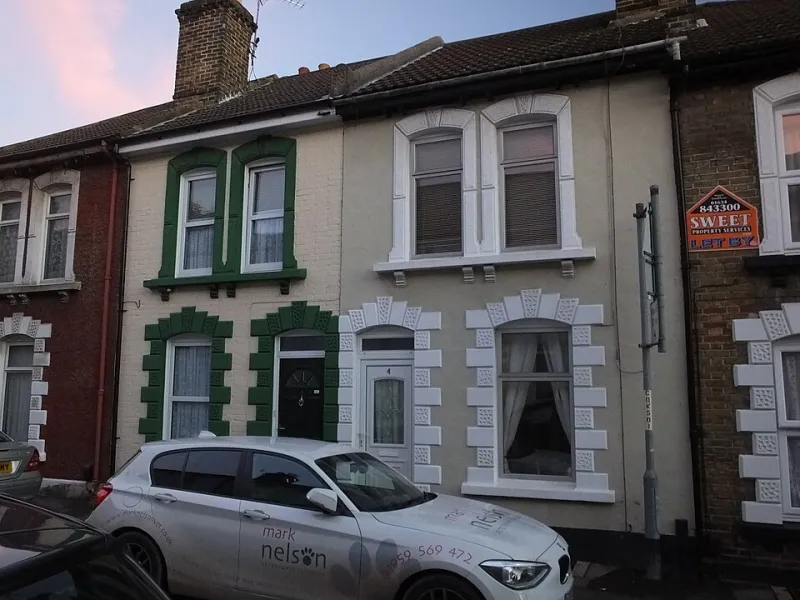
Photo: Photograph by Clem Rutter, Rochester, Kent. (www.clemrutter.net)., CC BY-SA 3.0, via Wikimedia Commons
There is a piece of ground outside almost every UK home that gets less consideration than the inside of a kitchen drawer: the three or four square metres between the pavement and the front door. It is the cheapest room in the house to alter, and the one that does the most work on a stranger's first impression — not because it looks moneyed, but because it looks like somebody has been paying attention for a while.
That is the distinction worth holding on to. Kerb appeal is a pressure-washed drive and a hanging basket bought at a garden centre on a Sunday afternoon. Character is a path that curves because the gate is offset, a latch that clunks properly, a number you can read from the road. None of it needs permission, and most of it needs a weekend rather than a savings account.
Here are seven moves, roughly in order of how much each one gives back per pound spent. Costs are indicative 2026 UK figures for materials; labour is extra if you are not doing it yourself.
1. Start with the path, because the eye follows it
Look at your front garden from the pavement, at eye level, and trace the line from gate to door. If that line is broken, patchy or interrupted by a bin store, nothing else you do will land. Re-sand and re-point what is already there before you consider replacing it — a half-hour with a stiff brush, a bag of kiln-dried sand and a pointing trowel rescues most 1930s tile paths.
If the path is genuinely past saving, choose one material rather than three. Reclaimed clay pavers laid in a simple running bond will look as though they have always been there, which is the whole point. Avoid the temptation of a bright new porcelain slab: it reads as a driveway, not a garden.
Budget band: £20–£60 to tidy an existing path; £180–£500 for reclaimed brick or setts on a small frontage; £15–£40 for a bag of 10mm gravel to soften edges.
2. A gate is a piece of theatre
Gates do something no other front-garden element manages: they announce arrival. A timber ledge-and-brace gate in a decent paint finish, hung so that it swings and closes under its own weight, costs less than a mid-range doormat-and-cushion spree and outlasts both. Match the ironwork to the door furniture — not identically, but in the same family — and resist the ornate scrollwork that photographs well and rusts badly.
Budget band: £90–£220 for a softwood gate; £250–£550 for oak or a decent hardwood; £15–£40 for hinges and a ring latch.
3. Numbers, letterboxes and the business of being findable
A house number is the single most under-designed object on most UK homes. A cheap plastic digit screwed to a fanlight undermines a good door faster than almost anything else. Choose one material — enamel, cast metal, slate, brass — and use it at a size that can be read from a car. If you have a nameplate as well, put it somewhere different rather than stacking sign upon sign.
While you are there, check the letterbox. A rattling flap or a postbox bolted through a period door panel is a small thing that a visitor's hands notice immediately.
Budget band: £8–£30 per numeral in enamel or cast metal; £25–£70 for a brass letter plate.
4. Porch light: the cheapest architecture available
Exterior lighting does more to shape how a house reads after dark than any other single purchase. A simple wall lantern with a warm bulb — 2700K, not the blue-white of a security floodlight — on a timer or a dusk sensor, gives a front door depth and shadow. Put it to one side of the door rather than directly above it; the light rakes across the door surface and the reveal, which is what makes render and brickwork look interesting.
Budget band: £30–£90 for a decent lantern; £60–£150 for a brass or aged-copper fitting; £10–£25 for a plug-in timer.
5. Pots, but fewer than you think
One large pot planted properly beats nine small ones lined up like sentries. Use a single generous container — 45cm across or more — at the hinge point of the path, and choose something that holds structure through winter: bay, rosemary, a clipped box substitute such as yew or euonymus, or a multi-stem acer for a north-facing spot. Terracotta and unglazed stone age well; glazed pots in strong colours look like an installation and date quickly.
Budget band: £40–£120 for a large frost-proof pot; £25–£60 for a mature structural plant.
6. Hedging is the slowest, best-value move of all
Nothing makes a house look established like a boundary that has been growing for a while. Bare-root hedging is cheap if you buy it in the dormant season between November and March, and a run of yew, hornbeam or box-leaved holly planted at 30–40cm spacing will do more for a frontage in five years than any amount of cladding. If you need speed, be honest about it and choose laurel or privet rather than pretending a fast grower is a slow one.
Budget band: £3–£8 per bare-root plant; £150–£400 for a 10-metre run of young hedge.
7. The last metre: door furniture and a hand that fits
Before anyone notices the paint colour, their hand finds the handle, the knocker, the bell. A solid brass or cast-iron handle, a knocker fitted at the right height, a bell push that works — these are the details that separate a house that has been cared for from one that has merely been decorated. Keep the finish consistent and let it patinate.
Budget band: £25–£70 for a handle; £20–£60 for a knocker; £15–£45 for a bell push.
Mistakes that quietly undo all of it
Bedding plants in rows. They look cheerful for six weeks and municipal for the rest of the year. Structure first, flowers second.
Matching everything. A door, gate, fence and pot in the same shade of grey is not coordination, it is camouflage. Two or three related tones will always look better.
Blocking the light. Tall shrubs pressed against the front window turn a front room gloomy and make the house look unwelcoming whatever the season.
Buying the number before the path. Sequence matters. Fix the line, then the boundary, then the details.
Where to start this weekend
If you only do one thing, sweep, re-sand and edge the existing path, then wash the front door. It costs almost nothing, takes an afternoon, and gives you a clear view of what actually needs replacing. The rest of the list can wait until the bare-root season, when the hedging is cheap and the evenings are long enough to notice the difference.